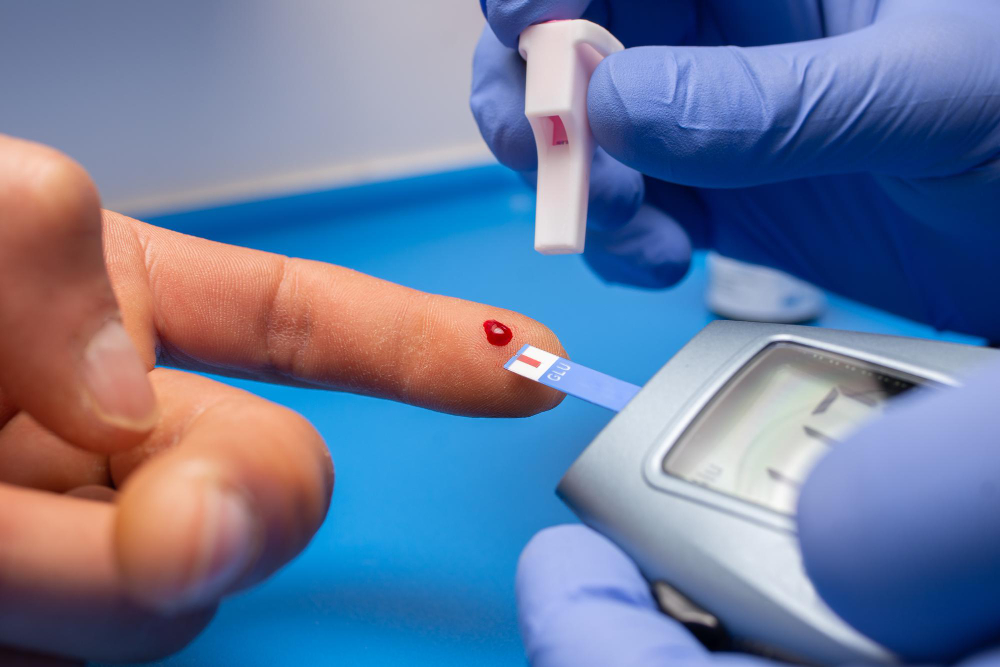
Type 2 diabetes is a common health condition that affects how your body uses blood sugar. Many people live with this disease, but with the right care, you can manage it well. In this blog, you will learn about the symptoms, causes, diagnosis, treatment options, and ways to prevent Type 2 diabetes. Understanding these facts can help you or your loved ones stay healthy and avoid complications.
What is Type 2 Diabetes?
Type 2 diabetes is a long-term condition where your body cannot use insulin properly. Insulin is a hormone that helps move sugar from your blood into your cells. When your body becomes resistant to insulin, blood sugar levels rise. Over time, high blood sugar can harm your heart, eyes, kidneys, and nerves. According to the CDC, Type 2 diabetes is the most common form of diabetes worldwide.
Common Symptoms of Type 2 Diabetes
Many people with Type 2 diabetes do not notice symptoms at first. However, as blood sugar rises, you may see signs such as:
Sometimes, symptoms are mild and easy to miss. Therefore, regular check-ups are important, especially if you have risk factors.
Causes and Risk Factors
Type 2 diabetes develops when your body becomes resistant to insulin or does not make enough of it. Several factors can increase your risk, including:
Although you cannot change some risk factors, you can lower your risk by making healthy choices.
How is Type 2 Diabetes Diagnosed?
Doctors use simple blood tests to diagnose Type 2 diabetes. These tests measure your blood sugar levels. Common tests include:
If your results are higher than normal, your doctor may repeat the tests to confirm the diagnosis. Early diagnosis helps prevent serious health problems.
Treatment Options
Treating Type 2 diabetes focuses on keeping blood sugar in a healthy range. Your doctor may suggest:
With the right plan, many people manage their diabetes and avoid complications. However, you should always follow your doctor’s advice for the best results.
Lifestyle Tips for Managing Type 2 Diabetes
Living with Type 2 diabetes means making healthy choices every day. Here are some tips to help you manage your condition:
Because stress can affect blood sugar, try relaxation techniques like deep breathing or yoga. Also, do not skip regular doctor visits.
Prevention Strategies
Although some risk factors cannot be changed, you can lower your chance of getting Type 2 diabetes. Try these prevention tips:
Even small changes can make a big difference. For example, losing just 5-7% of your body weight can lower your risk, according to the CDC.
In summary, Type 2 diabetes is a serious but manageable condition. By knowing the symptoms, causes, and treatment options, you can take control of your health. Consult a healthcare professional for personalized guidance on managing Type 2 diabetes.