Introduction
Many people think allergies only happen in spring or summer. However, allergies during winter are also common. In fact, cold weather can make some allergy symptoms worse. Because we spend more time indoors, we are exposed to different triggers. This blog will explain winter allergy symptoms, causes, diagnosis, and prevention. You will also find tips for managing allergies in cold weather.
What Are Winter Allergies?
Winter allergies are allergic reactions that happen or get worse during the colder months. Unlike spring allergies, which are often caused by pollen, winter allergies usually come from indoor allergens. These can include dust mites, mold, and pet dander. While outdoor air may feel fresh, indoor air can hold many triggers. Therefore, understanding winter allergies helps you stay healthy all year.
Common Symptoms
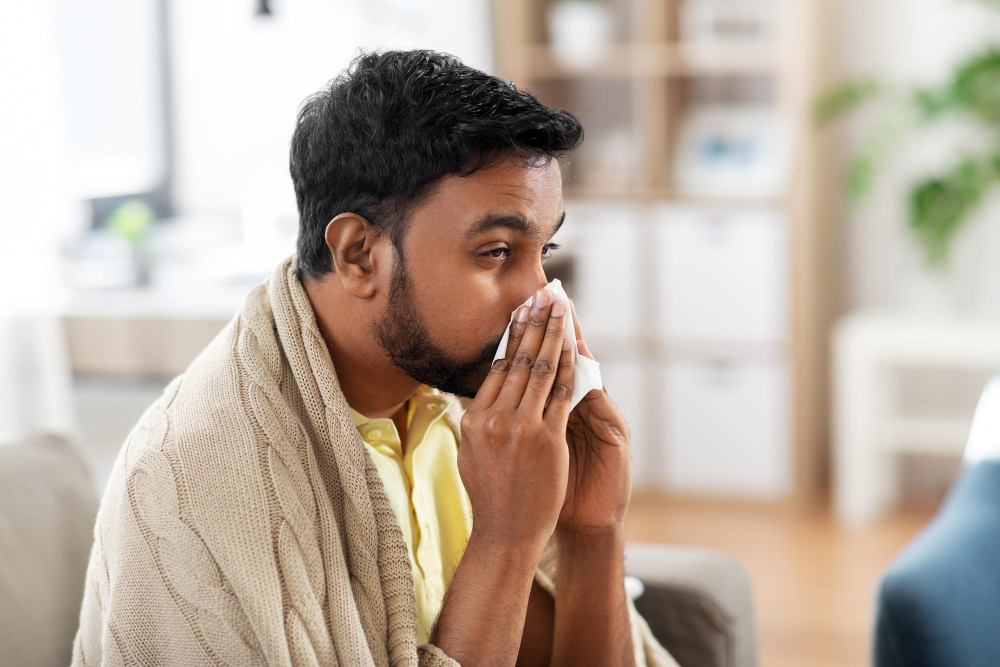
Winter allergy symptoms can look like a cold. However, allergies last longer and do not cause fever. You may notice symptoms such as:
Sometimes, symptoms get worse at night or after cleaning. If you notice these signs, you may have allergies during winter.
Causes and Triggers
During winter, we close windows and use heaters. As a result, indoor allergens build up. The most common triggers include:
Additionally, dry winter air can irritate your nose and throat. This makes allergy symptoms feel worse. According to the CDC, indoor allergens are a leading cause of winter allergy symptoms.
How Winter Allergies Are Diagnosed
If you have ongoing symptoms, a doctor can help. First, your doctor will ask about your symptoms and home environment. Next, they may do a physical exam. Sometimes, allergy testing is needed. This can include:
With these tests, your doctor can find out what is causing your allergies during winter.
Treatment Options
There are many ways to treat winter allergies. Your doctor may suggest:
Always follow your doctor’s advice before starting any new medicine.
Prevention Tips
While you cannot avoid all allergens, you can lower your risk. Try these prevention tips:
By making small changes, you can manage allergies in cold weather more easily.
Lifestyle Guidance
Healthy habits can make a big difference. For example, try these steps:
With these habits, you can reduce indoor allergens in winter and feel better every day.
When to See a Doctor
Sometimes, home care is not enough. See a doctor if:
Early treatment can prevent problems and help you feel your best.
Consult a healthcare professional for personalized advice on managing allergies during winter.